Stuck in Your 40s? How to Turn Your Midlife Crisis Into Your Greatest Comeback

That restless feeling you've been carrying around? The constant questioning of whether this is really "it" for your life? You're not losing it: you're actually standing at the threshold of what could become your most transformative decade yet.
Here's the thing nobody tells you about midlife crises: they're not really about age. They're about outdated beliefs finally catching up with you.
What's Really Happening in Your 40s
Your brain is doing something incredible right now. All those limiting beliefs you've been carrying since childhood: the ones that told you to play it safe, follow the "right" path, and keep everyone else happy: are suddenly being questioned by a deeper part of you that's finally ready to break free.
This isn't a crisis. It's your authentic self staging an intervention.
Most people in their 40s are dealing with what psychologists call a "transition of identity and self-confidence." You've spent decades building a life based on other people's expectations, and now your inner wisdom is asking: "But what do YOU actually want?"

The Hidden Limiting Beliefs Driving Your Restlessness
Before you can turn this crisis into a comeback, you need to understand what's really driving those feelings of being stuck. Here are the most common limiting beliefs I see in my practice:
"It's too late to change." This is the big one. You've convinced yourself that because you're 40+, your options are limited. But here's the truth: neuroplasticity research shows your brain can literally rewire itself at any age. Some of the most successful entrepreneurs, artists, and change-makers didn't hit their stride until their 40s, 50s, or beyond.
"I should be grateful for what I have." Gratitude is beautiful, but when it becomes a weapon against your own growth, it's toxic. You can be grateful AND want more. You can appreciate your current life AND desire to expand it.
"I've invested too much to start over." This is the sunk cost fallacy in action. The time and energy you've already invested doesn't disappear when you pivot: it becomes the foundation for what's next.
"People are counting on me to stay the same." Your family, friends, and colleagues will adjust. In fact, they'll probably respect you more for having the courage to live authentically.
The Three Stages of Your Comeback Journey
Understanding where you are in this process can help you navigate it more consciously:
Stage 1: The Trigger (Where most people get stuck)
Something happens that makes you acutely aware of time passing. Maybe it's a health scare, a divorce, job loss, or just watching your kids become independent. This trigger forces you to confront the gap between who you are and who you wanted to become.
What to do: Don't numb this discomfort with shopping, drinking, or throwing yourself into work. Sit with it. Journal about it. This discomfort is information, not a problem to solve.
Stage 2: The Search (Where the real work begins)
You start questioning everything. Your career, relationships, values, goals: nothing feels solid anymore. You might fantasize about radical changes or feel paralyzed by all the possibilities.
What to do: This is where most people either make impulsive decisions they regret later or get so overwhelmed they do nothing. Instead, start small. Take a class, have conversations with people living lives you admire, experiment with new experiences. This isn't about finding THE answer: it's about expanding your sense of what's possible.

Stage 3: The Integration (Where your comeback begins)
You start making peace with your past while intentionally designing your future. You realize you don't have to throw everything away to create something new.
What to do: Begin making purposeful changes aligned with your authentic values. This might mean shifting your career focus, changing how you spend your time, or setting different boundaries in relationships.
Your Comeback Toolkit: 5 Practical Strategies
1. Rewrite Your Story
Stop telling yourself the story of what you "should have" done and start writing the story of what you're going to do. Every day you wake up, you get to choose what the next chapter looks like.
Action step: Write a one-page "future self" letter describing your ideal life five years from now. Don't edit yourself: just write what feels true.
2. Audit Your Energy
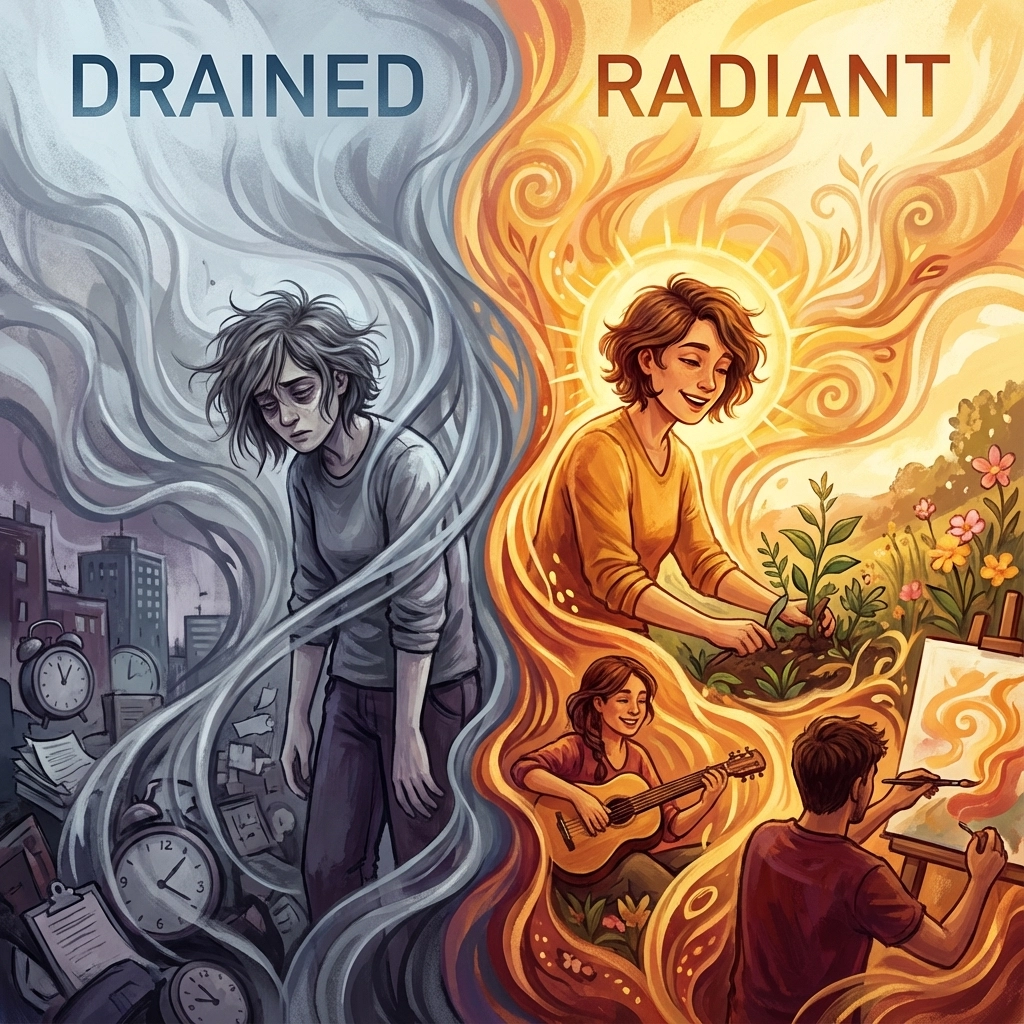
Track where your energy goes for one week. Notice what activities, people, and commitments drain you versus what fills you up. This data is gold.
Action step: Create three lists: More Of This, Less Of This, and Completely Done With This. Start making small adjustments.
3. Practice Strategic Selfishness
You've spent decades putting everyone else first. It's time to reclaim some space for your own dreams and desires. This isn't selfish: it's necessary for your mental health and everyone around you.
Action step: Schedule one hour per week that's completely yours. Use it however you want, but protect it fiercely.
4. Expand Your Identity
You are not your job title, your relationship status, or your bank account. You're a complex, evolving human with untapped potential. Start experimenting with different aspects of yourself.
Action step: Try something you've never done before each month. Paint, write, dance, learn a language, start a side project. The goal isn't mastery: it's expansion.
5. Build Your Support Network
Surround yourself with people who support your growth, not people who want you to stay the same. This might mean setting boundaries with some relationships and actively seeking new connections.
Action step: Join one group, class, or community related to something you're interested in exploring.
Signs Your Comeback Is Working
You'll know you're on the right track when:
You feel excited about the future instead of just anxious
You're making decisions based on what you want, not what others expect
You have more energy, even when you're working hard on your goals
You feel less need to justify your choices to others
You're comfortable with uncertainty because you trust your ability to adapt

The Neuroscience of Your Comeback
Here's something that might blow your mind: your brain is actually primed for transformation in your 40s. While it's true that some cognitive functions peak earlier, your brain's ability to make new connections and adapt to new situations: called neuroplasticity: remains strong throughout your life.
Research shows that people in their 40s and beyond often experience what scientists call "crystallized intelligence": the ability to apply everything you've learned in new and creative ways. This is why so many people find their true calling later in life. You're not past your prime; you're entering it.
Your Next Step
If you've read this far, you're already in the process of transformation. The question isn't whether you should make changes: it's what changes will serve you best.
Start with one small step this week. Maybe it's having an honest conversation with yourself about what you really want. Maybe it's researching that thing you've always been curious about. Maybe it's simply giving yourself permission to want more.
Your midlife crisis isn't a dead end: it's a detour that could lead you exactly where you're supposed to be.
The life you're dreaming about? It's waiting for you to stop making excuses and start taking action. Your comeback starts now.

Ready to dive deeper into transforming your limiting beliefs? Visit Belief Make Over to learn more about how we help high-achievers break through the beliefs that keep them stuck.
Comments